Adaption datasets
Collection
various datasets that have been adapted • 6 items • Updated
question string | answer string | enhanced_prompt string | enhanced_completion string | reasoning_trace string | answer_index int64 | condition string | explanation string | id string | options list | question_type string |
|---|---|---|---|---|---|---|---|---|---|---|
Maka ndị ọrịa nwere Mgbagwoju Anya nke Mkpara metụtara Ọrịa Akwara (Epilepsy-Related Motor Complications), kedu n'ime ndị a ka a na-atụ aro dịka ọgwụgwọ ọzọ ma ọ bụ nke na-akwado? | A na-enye Phenytoin site na IV Infusion. | # Umsebenzi: Ukuhlaziya Izinketho Zokwelashwa Kwezinkinga Zokunyakaza Ezihlobene Ne-Epilepsy
**Isimo:**
Kudingeka ukuthi uhlole izinketho zokwelashwa ezilandelayo ukuze uthole leyo ephakanyiselwa njengeyokwelashwa okuyindlela ehlukile (alternative) noma okusekelayo (adjunctive) kubaguli abanezinkinga zokunyakaza ezihl... | Inketho efanelekile kuluhlu olunikeziwe ngu: **I-Phenytoin enikezwa nge-IV Infusion**.
**Isizathu sokukhethwa kwenketho le:**
I-Phenytoin iyimithi yokuvimbela ukuhlushwa (anticonvulsant) esebenza ngokuzinzisa imisebenzi kagesi engajwayelekile ebuchosheni nokuqinisa ulwelwesi lwezinzwa. Ivimbela ukusabalala kwezinhlobo... | Kumele ngihlaziye le mibuzo ngesineke. Isimo sithi ngifuna ukukhomba inketho yokwelashwa ephakanyiselwa abaguli abanezinkinga zokunyakaza ezihlobene ne-Epilepsy. Ngifuna ukubona ukuthi yimuphi umuthi ohambisana nalezi zinkinga.
Qaphela ngesihloko: "Mgbagwoju anya nke akwara na-emetụta ọrịa Epilepsy". Lesi siNgisi sase... | 1 | Epilepsy-Related Motor Complications | The guidelines suggest Phenytoin as an alternative or adjuvant therapy. | NT_G40-002_MCQ_003 | [
"Artemether-Lumefantrine (Coartem) standard course",
"Phenytoin administered IV Infusion",
"Morphine 10 mg IM for pain control",
"High-dose Gentamicin IV infusion"
] | mcq |
Eziokwu ka ọ bụ Ugha: N'usoro nlekọta maka ndị nwere Cerebral Palsy, ọgwụgwọ mbụ a na-atụ aro bụ Baclofen. | Eziokwu | # Umsebenzi: Ukuhlaziya Izitatimende Zezempilo
Sicela uhlole izitatimende ezimbili ezilandelayo bese unquma ukuthi ngazinye ziwuqiniso noma amanga, usebenzise ulwazi lwezokwelapha oluvamile mayelana nokuphathwa kwe-Cerebral Palsy (ukungakwazi ukulawula imisipha ngenxa yokulimala kobuchwongo okwenzeka ngaphambi kokuzal... | 1. **Isitatimende:** "N'usoro nlekọta maka ndị nwere Cerebral Palsy, ọgwụgwọ mbụ a na-atụ aro bụ Baclofen."
- **Isinqumo:** Amanga.
- **Isizathu:** Ukwelashwa kwe-Cerebral Palsy akuvamise ukuqala ngamakhemikhali njenge-Baclofen. Indlela yokuqala evamile ihlanganisa ukwelashwa komzimba (physical therapy), ukwelash... | Alright, let me carefully analyze this task. The prompt is asking me to evaluate two statements about Cerebral Palsy management, determine if they're true or false, and provide explanations. I notice the instructions are in Zulu, but the statements themselves are in Igbo. The prompt explicitly says to respond in Igbo a... | null | Cerebral Palsy Care Approaches | The guidelines state that Baclofen is first-line. | NT_G80-001_TF_001 | null | truefalse |
Ni ipi kati ya zifuatazo ni kosa la kliniki linalotambuliwa ambalo linapaswa kuepukwa katika utunzaji wa Uchanga? | Kumfunga wagonjwa wakati wa michango ya ghafla | # Umsebenzi: Ukukhomba Iphutha Lekliniki Ekunakekelweni Kwezengane
Hlaziya imibuzo nezinketho ezilandelayo bese ukhomba ukuthi yikuphi okuyiphutha elikhulu lakliniki okumele ligwenywe.
**Imibuzo:**
Ni ipi kati ya zifuatazo ni kosa la kliniki linalotambuliwa ambalo linapaswa kuepukwa katika utunzaji wa Uchanga?
**Izi... | Inketho ekhomba iphutha elikhulu lakliniki: **'Ukubopha isiguli ngesikhathi sesifafa esikhawulezayo'**
**Isizathu:**
Ukubopha noma ukubamba isiguli ngamandla ngesikhathi sokuwa kwesifafa kuyiphutha elibi futhi elingozi kakhulu. Lokhu akusizi ukumisa isifafa, kodwa kunalokho kungaholela ekulimaleni okukhulu emzimbeni, ... | Let me analyze this question carefully. It's asking me to identify which of the listed options represents a major clinical error that must be avoided in pediatric care, specifically related to seizure management.
Looking at the options:
1. **Checking blood glucose upon arrival** - This is actually good practice. Hypo... | 2 | Epilepsy | A common pitfall is: Restraining patients during acute seizures | NT_091-001_MCQ_005 | [
"Checking blood glucose level immediately upon patient presentation",
"Counseling the patient and family about medication compliance",
"Restraining patients during acute seizures",
"Obtaining a detailed medication history before prescribing treatments"
] | mcq |
Eziokwu ka Ọ bụghị eziokwu: Agụmakwụkwọ maka ndị ọrịa na ezinụlọ ha gbasara Epilepsy kwesịrị ịgụnye iduzi ha ka ha mara na: 'Ọgwụgwọ nwere ike ijikwa epilepsy n'ọtụtụ ọnọdụ'? | Eziokwu | # Umsebenzi: Ukuhlola Ukunemba Kwesitatimende Sempilo
Sicela uhlole isitatimende esilandelayo bese unquma ukuthi singabe siyiqiniso noma asiyona iqiniso, usebenzisa ulwazi lwezokwelapha oluthembekile mayelana ne-Epilepsy (isifo sokuhlaselwa yimizwa).
**Isitatimende esidinga ukuhlolwa:**
"Agụmakwụkwọ maka ndị ọrịa na ... | **Isinqumo:** Isitatimende siyiqiniso.
**Incazelo:**
Ucwaningo oluthembekile lwezokwelapha lubonisa ukuthi cishe amaphesenti angu-70 abantu abane-epilepsy bangafinyelela ekulawulweni okuphelele kokuhlaselwa ngokusebenzisa imithi elwa nokuhlaselwa (anti-seizure medications) lapho ithathwa ngendlela efanele. Nakuba i-ep... | Let me carefully analyze this task. The prompt is written in Zulu, asking me to evaluate a statement about Epilepsy, but the statement itself is in Igbo. I need to provide my response in Zulu, as that's the language of the prompt's instructions.
Let me break down the Igbo statement first: "Agụmakwụkwọ maka ndị ọrịa na... | null | Epilepsy | Guideline patient education section advises: Treatment can control epilepsy in most cases | NT_091-001_TF_003 | null | truefalse |
True or False: If a patient with Sydenham's Chorea & Movement Complications of Rheumatic Fever develops 'Severe chorea paralytica (extreme chorea causing total inability to walk, speak, or swallow)', it is considered a benign sign and treatment can be continued at home without referral. | False | Evaluate the following medical statement as True or False:
"If a patient with Sydenham's Chorea & Movement Complications of Rheumatic Fever develops 'Severe chorea paralytica (extreme chorea causing total inability to walk, speak, or swallow)', it is considered a benign sign and treatment can be continued at home with... | **False**
**Justification:** Severe chorea paralytica is not a benign sign; it is a life-threatening medical emergency. The inability to swallow creates a critical risk of aspiration pneumonia and airway compromise, while extreme motor agitation can lead to rhabdomyolysis, severe exhaustion, and physical trauma. Conse... | This statement is clearly False. Let me think through why.
Severe chorea paralytica represents the extreme end of the Sydenham's Chorea spectrum. The description itself—total inability to walk, speak, or swallow—should immediately raise red flags. This is far from benign.
The inability to swallow is perhaps the most ... | null | Sydenham's Chorea & Movement Complications of Rheumatic Fever | 'Severe chorea paralytica (extreme chorea causing total inability to walk, speak, or swallow)' is a recognized danger sign indicating a critical complication or deterioration that requires urgent escalation or referral. | NT_I02-001_TF_004 | null | truefalse |
Which of the following best defines Epilepsy according to clinical guidelines? | A chronic condition characterised by recurrent unprovoked seizures caused by abnormal discharges in the brain, presenting in convulsive or non-convulsive forms. | Based on clinical guidelines, identify which of the following options best defines Epilepsy.
Question: Which of the following best defines Epilepsy according to clinical guidelines?
Options:
Epilepsy
['A chronic condition characterised by recurrent unprovoked seizures caused by abnormal discharges in the brain, prese... | Based on clinical guidelines, the best definition of epilepsy is:
'A chronic condition characterised by recurrent unprovoked seizures caused by abnormal discharges in the brain, presenting in convulsive or non-convulsive forms.'
This aligns with the International League Against Epilepsy (ILAE) criteria, which define ... | I need to identify which option correctly defines epilepsy according to clinical guidelines. Let me analyze each option systematically.
**Option 1:** "A chronic condition characterised by recurrent unprovoked seizures caused by abnormal discharges in the brain, presenting in convulsive or non-convulsive forms."
This ... | 0 | Epilepsy | According to the guidelines: A chronic condition characterised by recurrent unprovoked seizures caused by abnormal discharges in the brain, presenting in convulsive or non-convulsive forms. | NT_091-001_MCQ_001 | [
"A chronic condition characterised by recurrent unprovoked seizures caused by abnormal discharges in the brain, presenting in convulsive or non-convulsive forms.",
"A temporary inflammatory condition of the peripheral facial nerve causing unilateral facial muscle paralysis that fully resolves in weeks.",
"An ac... | mcq |
What are the essential clinical investigations and evaluations required for a patient presenting with suspected Epilepsy-Related Motor Complications? | The clinical guidelines recommend the following investigations for Epilepsy-Related Motor Complications:
- Blood glucose check: Exclude hypoglycemia as the trigger for status epilepticus (Essential)
- Serum anticonvulsant level measurement (where available): Diagnose toxicity as the cause of ataxia or tremor (Optional)... | Identify the essential clinical investigations and evaluations required for a patient presenting with suspected Epilepsy-Related Motor Complications.
Context:
Epilepsy-Related Motor Complications | The evaluation of suspected epilepsy-related motor complications requires a systematic, multimodal approach to differentiate between ictal phenomena, interictal movement disorders, post-ictal deficits (e.g., Todd's paralysis), and adverse effects of anti-seizure medications (ASMs). The following essential clinical inve... | Okay, I need to outline the essential clinical investigations and evaluations for a patient presenting with suspected epilepsy-related motor complications. Let me break this down systematically.
First, what exactly are "epilepsy-related motor complications"? This is a broad term. It could mean ictal motor phenomena (t... | null | Epilepsy-Related Motor Complications | null | NT_G40-002_FF_002 | null | freeform |
ከሚከተሉት ውስጥ በኤፒሌፕሲ እንክብካቤ ጊዜ መወገድ ያለባቸው የታወቁ ክሊኒካዊ ስህተቶች የትኛው ነው? | በአስቸኳይ የጭንቅላት መወዛወዝ (seizure) ጊዜ ታካሚን መገደብ | # ጥያቄ: በኤፒሌፕሲ እንክብካቤ ጊዜ መወገድ ያለባቸው ክሊኒካዊ ስህተቶች
ከዚህ በታች ከተዘረዘሩት አማራጮች ውስጥ፣ በኤፒሌፕሲ (Epilepsy - የጭንቅላት መወዛወዝ በሽታ) እንክብካቤ ሂደት ውስጥ **መወገድ ያለባቸው** ወይም ትክክል ያልሆኑ ክሊኒካዊ እርምጃዎች የትኛው ነው? እባክዎ ትክክለኛውን መልስ ይምረጡ።
## የተሰጡ አማራጮች
ኤፒሌፕሲ
['ተጠቃሚው ሲቀርብ ወዲያውኑ የደም ግሉኮስ መጠንን መፈተሽ', 'ተጠቃሚውን እና ቤተሰቡን ስለ መድኃኒት ተገዢነት ማማከር', 'በከፍተኛ የጭንቅላት መወዛወዝ... | በኤፒሌፕሲ እንክብካቤ ሂደት ውስጥ **መወገድ ያለበት** ወይም ትክክል ያልሆነ ክሊኒካዊ እርምጃ፡-
**በከፍተኛ የጭንቅላት መወዛወዝ ጊዜ ተጠቃሚውን መገደብ**
**ምክንያቱ፡-**
1. **የአካል ጉዳት አደጋ፡** ታካሚውን በኃይል መያዝ ወይም እንቅስቃሴውን መገደብ የአጥንት መስበር፣ የጡንቻ መቀደል፣ የመገጣጠሚያ መፍታት ወይም ለታካሚውም ሆነ ለእንክብካቢው የመጉዳት አደጋን ያስከትላል።
2. **ውጤት አልባነት፡** ተጠቃሚውን መገደብ የጭንቅላት መወዛወዙን አያቆምም፤ ምትኩ አደጋውን ብቻ ይጨምራል።
3.... | This question is about identifying the clinical error that must be avoided during epilepsy care. Let me break down each option to see which one is a dangerous practice.
First option: Checking blood glucose levels immediately when the patient arrives. This is standard protocol. Hypoglycemia is a critical reversible cau... | 2 | Epilepsy | A common pitfall is: Restraining patients during acute seizures | NT_091-001_MCQ_005 | [
"Checking blood glucose level immediately upon patient presentation",
"Counseling the patient and family about medication compliance",
"Restraining patients during acute seizures",
"Obtaining a detailed medication history before prescribing treatments"
] | mcq |
Mgonjwa amefika kliniki yako akiwa na shaka ya Matatizo ya Mwili Yanayohusiana na Epilepsy. Ni dalili gani za kawaida na alama za kliniki unapaswa kutafuta? | Kwa Matatizo ya Mwili Yanayohusiana na Epilepsy, sifa kuu za kliniki ni pamoja na:
- Dalili: Shughuli ya misuli ya mtikisiko wa jumla inayoendelea kwa zaidi ya dakika 5 (Status Epilepticus), Udhaifu baada ya mshtuko au kiholela cha kupooza kwa muda mfupi wa kiungo kimoja au zaidi (Todd's paresis), Kutotulia au shida ya... | # Umsebenzi Wezokwelapha: Ukuhlola Izimpawu Zesifo Sohlobo Lwepilepsi
## Isimo
Umuntu ogulile ufike ekliniki yakhe enokungabaza kokuthi unamatatizo omzimba ahlobene nepilepsi.
## Imiyalelo
Chaza ngokuningiliziwe izimpawu ezijwayelekile (symptoms) kanye nezimpawu zekliniki (clinical signs) okufanele uzifune noma uzihl... | # Ukuhlola Izimpawu Zesifo Sohlobo Lwepilepsi
Ukuhlola isiguli esinokungabaza kokuthi unamatatizo omzimba ahlobene nepilepsi kudinga ukunaka okukhulu emlandweni wesiguli, izimpawu ezibikwayo, kanye nokuhlolwa komzimba okucophelela. Lokhu kusiza ekuhlukaniseni ukuheleka kwepilepsi kwezinye izimo ezifana nokuphuma komoy... | # Ukuhlola Izimpawu Zesifo Sohlobo Lwepilepsi
Ukuhlola isiguli esinokungabaza kokuthi unamatatizo omzimba ahlobene nepilepsi kudinga ukunaka okukhulu emlandweni wesiguli, izimpawu ezibikwayo, kanye nokuhlolwa komzimba okucophelela. Lokhu kusiza ekuhlukaniseni ukuheleka kwepilepsi kwezinye izimo ezifana nokuphuma komoy... | null | Epilepsy-Related Motor Complications | null | NT_G40-002_FF_001 | null | freeform |
True or False: Patient and family education for Febrile Convulsions should include advising them to: 'Educate caregivers on how to control fever using tepid sponging' | True | # Task: Verify Medical Education Guideline for Febrile Convulsions
Evaluate the following statement as **True** or **False** based on standard clinical guidelines for Febrile Convulsions (seizures associated with fever in young children).
**Statement to Evaluate:**
"Patient and family education for Febrile Convulsion... | **Verdict:** False
**Reasoning:**
Current clinical guidelines from leading bodies such as the American Academy of Pediatrics (AAP) and NICE advise against the use of tepid sponging for fever management in children. Evidence shows that tepid sponging is ineffective at reducing core body temperature and often causes sig... | Okay, let me analyze this statement. It's asking if patient and family education for febrile convulsions should include advising caregivers on how to control fever using tepid sponging. I need to evaluate this as True or False based on standard clinical guidelines.
My immediate instinct, based on current pediatric pra... | null | Febrile Convulsions | Guideline patient education section advises: Educate caregivers on how to control fever using tepid sponging | NT_001-005_TF_003 | null | truefalse |
Kedu n'ime ndị a bụ ihe ize ndụ dị mkpa na onye ọrịa nwere Nodding Syndrome (Nodding Disease) nke chọrọ omume ozugbo? | Status epilepticus (nkụda aka na-aga n'ihu karịa nkeji 5) | # Umsebenzi: Ukuhlonza Ingozi Ephuthumayo KuNodding Syndrome
Hlonza ukuthi yikuphi kulokhu okulandelayo okumele ingozi ephuthumayo (medical emergency) edinga ukunakwa nokusebenza kwangokushesha kumguli one-Nodding Syndrome (Nodding Disease).
**Incazelo Yomongo:**
I-Nodding Syndrome yi-neurological disorder ethinta iz... | Isimo esimele ingozi ephuthumayo edinga ukunakwa nokusebenza kwangokushesha yilesi:
**Status epilepticus (ukushaywa kwesithuthwane okuqhubekayo ngaphezu kwemizuzu emihlanu)**
Lesi simo siyingozi enkulu yokuphila ngoba isithuthwane esingapheli esingaphezu kwemizuzu emihlanu singabanga umonakalo ongapheli ebuchosheni n... | Let me analyze this step by step.
The task is to identify which of the four options represents a life-threatening medical emergency in a patient with Nodding Syndrome.
Let me examine each option:
1. **Akọ ọnụ na-akọ ntakịrị ma ọ bụ ihe isi ike dị nta ihi ụra** - This describes minor drooling or slight difficulty sle... | 1 | Nodding Syndrome (Nodding Disease) | Danger signs requiring immediate intervention for Nodding Syndrome (Nodding Disease) include: Status epilepticus (continuous seizures > 5 mins), Severe malnutrition or failure to thrive, Aspiration or choking during nodding episodes triggered by eating, Accidental injuries (burns, drowning, falls) during seizures or no... | NT_G40-004_MCQ_004 | [
"Mild dry mouth or slight difficulty falling asleep",
"Status epilepticus (continuous seizures > 5 mins)",
"Occasional forgetfulness or mild fatigue after exercise",
"Isolated intentional tremor while reaching for a cup"
] | mcq |
True or False: The primary first-line drug recommended for Sydenham's Chorea & Movement Complications of Rheumatic Fever is Amoxicillin 500mg orally. | False | Determine whether the following statement is True or False:
"The primary first-line drug recommended for Sydenham's Chorea & Movement Complications of Rheumatic Fever is Amoxicillin 500mg orally."
Context for evaluation:
Sydenham's Chorea & Movement Complications of Rheumatic Fever | **False.**
Amoxicillin is an antibiotic used for the eradication of Group A Streptococcus and for secondary prophylaxis to prevent recurrent Rheumatic Fever; it does not treat the neurological symptoms or movement complications of Sydenham's Chorea.
Management of the choreiform movements is directed at symptomatic c... | I need to evaluate whether amoxicillin 500mg orally is the primary first-line drug recommended for Sydenham's Chorea and movement complications of rheumatic fever.
Let me break this down carefully. Sydenham's chorea is a major manifestation of acute rheumatic fever, which is a post-streptococcal autoimmune disorder. T... | null | Sydenham's Chorea & Movement Complications of Rheumatic Fever | Amoxicillin is an antibiotic and is not used to treat Sydenham's Chorea & Movement Complications of Rheumatic Fever. The first-line drug is Phenobarbital. | NT_I02-001_TF_002 | null | truefalse |
What is the recommended level of care (LOC) required to manage or initiate therapy for Nodding Syndrome (Nodding Disease)? | Level of Care: HC4 to Regional Referral Hospital | Analyze the provided question and multiple-choice options regarding Nodding Syndrome to determine the correct recommended Level of Care (LOC).
**Context Definitions:**
- **Nodding Syndrome (Nodding Disease):** A rare, progressive neurological disorder affecting children, characterized by repetitive head nodding seizur... | ### Evaluation of Options Based on Clinical Guidelines
1. **Requires immediate transfer to a specialized national neurosurgery facility in all cases:** Incorrect. Nodding Syndrome is a medical neurological disorder managed primarily through pharmacological treatment (anti-epileptic drugs), nutritional support, and reh... | Alright, let me work through this Nodding Syndrome question carefully, evaluating each option against the established clinical guidelines and health system referral pathways I'm familiar with.
First, I need to consider what Nodding Syndrome actually requires in terms of clinical management. It's a progressive neurolog... | 3 | Nodding Syndrome (Nodding Disease) | The required level of care for initiating or managing Nodding Syndrome (Nodding Disease) is specified as HC4 to Regional Referral Hospital. | NT_G40-004_MCQ_006 | [
"Requires immediate transfer to a specialized national neurosurgery facility in all cases",
"Community Health Worker (VHT) home-based care only",
"Health Center II (HC2) outpatient nurse-led clinic only without referral",
"Level of Care: HC4 to Regional Referral Hospital"
] | mcq |
Ni ishara gani kati ya zifuatazo ya hatari kubwa kwa mgonjwa aliye na Ugonjwa wa Kucheka (Nodding Syndrome) inayohitaji hatua ya haraka? | Status epilepticus (mseto wa michango unaoendelea zaidi ya dakika 5) | # Umsebenzi: Ukukhomba Isignali Yengozi Ephakeme Kwi-Nodding Syndrome
Hlaziya imibuzo elandelayo bese ukhomba isignali eyodwa ephakathi kwezinketho eziningi ebonisa ingozi enkulu kakhulu kubantu abanesifo se-Nodding Syndrome (Ugonjwa wa Kucheka), edinga ukungenelela kwangokushesha.
### Isixhumanisi Sesimo
**Isifo:** ... | **Inketho Efanele:**
Status epilepticus (ukufumba okungapheli okweqiswa imizuzu emihlanu noma ngaphezulu)
**Incazelo Yengozi:**
Lesi yisignali eyingozi enkulu kakhulu kubantu abanesifo se-Nodding Syndrome, futhi ibonisa isimo esiphuthumayo esidinga ukungenelela kwangokushesha. Nakuba ukufumba kuyimpawu ejwayelekile ku... | Let me analyze this medical question carefully. I'm being asked to identify the most dangerous signal among the options provided for a patient with Nodding Syndrome, and to explain why it requires immediate intervention.
First, let me understand the disease context. Nodding Syndrome, or Ugonjwa wa Kucheka, is a neurol... | 1 | Nodding Syndrome (Nodding Disease) | Danger signs requiring immediate intervention for Nodding Syndrome (Nodding Disease) include: Status epilepticus (continuous seizures > 5 mins), Severe malnutrition or failure to thrive, Aspiration or choking during nodding episodes triggered by eating, Accidental injuries (burns, drowning, falls) during seizures or no... | NT_G40-004_MCQ_004 | [
"Mild dry mouth or slight difficulty falling asleep",
"Status epilepticus (continuous seizures > 5 mins)",
"Occasional forgetfulness or mild fatigue after exercise",
"Isolated intentional tremor while reaching for a cup"
] | mcq |
Which of the following should be considered in the differential diagnosis of a patient presenting with suspected Nodding Syndrome (Nodding Disease)? | Generalized convulsive epilepsy | Hlonza ukuthi yikuphi kulokhu okulandelayo okufanele kubhekwe ekuhlukaniseni izifo (differential diagnosis) kumesuli onokungabaza kokuthi une-Nodding Syndrome (i-Nodding Disease).
Isihloko: Nodding Syndrome (Nodding Disease)
Izinketho:
['Acute simple appendicitis', 'Superficial first-degree skin burn', 'Generalized co... | Ekuhlukaniseni izifo (differential diagnosis) kumesuli onokungabaza kokuthi une-Nodding Syndrome, okufanele kubhekwe kulokhu okulandelayo yi-**Generalized convulsive epilepsy**.
**Isizathu:**
I-Nodding Syndrome iyisifo se-neurological esihlotshaniswa nokuhlaselwa ukuquleka, okubonakala ngokunika ikhanda phansi (head n... | The user is asking a medical multiple-choice question in Zulu about the differential diagnosis for Nodding Syndrome. Let me break this down carefully.
First, I need to understand what Nodding Syndrome is. It's a neurological condition, specifically a form of epilepsy, that primarily affects children in specific region... | 2 | Nodding Syndrome (Nodding Disease) | Differential diagnoses for Nodding Syndrome (Nodding Disease) include: Generalized convulsive epilepsy, Absence epilepsy, Myoclonic epilepsy, Progressive encephalopathy due to other causes | NT_G40-004_MCQ_007 | [
"Acute simple appendicitis",
"Superficial first-degree skin burn",
"Generalized convulsive epilepsy",
"Uncomplicated urinary tract infection"
] | mcq |
True or False: Febrile Convulsions is clinically defined as: A generalized tonic-clonic seizure associated with a rapid rise in temperature due to an extracranial illness. It is a diagnosis of exclusion: specific conditions (cerebral malaria, meningitis, epilepsy) should be excluded. It commonly affects children from a... | True | Evaluate the accuracy of the following medical statement regarding Febrile Convulsions. Determine if the statement is True or False based on current clinical definitions.
Statement to Evaluate:
"Febrile Convulsions is clinically defined as: A generalized tonic-clonic seizure associated with a rapid rise in temperature... | **Evaluation: False**
**Analysis:**
1. **Seizure Type:** Inaccurate. The statement defines febrile convulsions exclusively as "generalized tonic-clonic." While this accurately describes a *Simple Febrile Seizure*, it fails to account for *Complex Febrile Seizures*, which can present with focal onset, prolonged durat... | Let me carefully analyze this statement about febrile convulsions piece by piece, applying current clinical standards.
First, the seizure type. The statement says "a generalized tonic-clonic seizure." Wait, that's only partially correct. That perfectly describes a *simple* febrile seizure, but it completely ignores *c... | null | Febrile Convulsions | This matches the guideline definition of Febrile Convulsions. | NT_001-005_TF_005 | null | truefalse |
What are the essential clinical investigations and evaluations required for a patient presenting with suspected Febrile Convulsions? | The clinical guidelines recommend the following investigations for Febrile Convulsions:
- Blood: Slide/RDT for malaria parasites: Exclude cerebral malaria (Standard)
- Random blood glucose: Exclude hypoglycemia (Standard)
- Full blood count: Infection screening (Standard)
- LP and CSF examination: Exclude meningitis (S... | What are the essential clinical investigations and evaluations required for a patient presenting with suspected Febrile Convulsions?
Please provide a comprehensive response covering the following aspects:
1. **Initial Assessment**: Immediate steps to stabilize the patient and gather history.
2. **Diagnostic Criteria*... | # Clinical Evaluation and Management of Suspected Febrile Convulsions
Febrile seizures are the most common seizure disorder in childhood, affecting 2–5% of children. While typically benign, the acute presentation is alarming for caregivers. A systematic, evidence-based approach ensures serious pathology—particularly c... | I need to structure a comprehensive, evidence-based clinical guide on febrile convulsions. Let me work through this systematically, making sure I cover each required aspect while maintaining clinical rigor.
Starting with the initial assessment—this is about the ABCDE approach and history taking. The airway and breathi... | null | Febrile Convulsions | null | NT_001-005_FF_002 | null | freeform |
What are the specific referral criteria and triggers for sending a patient with Cerebral Palsy Care Approaches to a higher-level facility? | The patient with Cerebral Palsy Care Approaches should be referred under the following conditions:
- Immediate: Acute respiratory distress or suspected aspiration pneumonia
- Immediate: Status epilepticus (prolonged seizures)
- Urgent: Fixed contractures requiring surgical release (tendon lengthening)
- Urgent: Severe,... | Analyze the provided text below and identify the specific referral criteria and clinical triggers that necessitate transferring a patient with Cerebral Palsy to a higher-level facility.
Present your findings as a clear, structured list.
### Source Text
Cerebral Palsy Care Approaches | ### Analysis of Provided Source Text
The provided source text, "Cerebral Palsy Care Approaches," consists solely of a title. It does not contain specific clinical data, referral protocols, or transfer criteria. Therefore, no specific criteria can be extracted directly from the source material.
### Standard Clinical Tr... | Okay, let me look at this prompt. I need to analyze the provided text and identify referral criteria and clinical triggers for transferring a Cerebral Palsy patient to a higher-level facility. The output should be a structured list.
Let me examine the source text: "Cerebral Palsy Care Approaches"
Wait... that's just ... | null | Cerebral Palsy Care Approaches | null | NT_G80-001_FF_004 | null | freeform |
What is the recommended first-line pharmacological treatment (and administration route) for Cerebral Palsy Care Approaches? | Baclofen (Oral) at Starting dose: 5 mg orally once or twice daily (increase gradually up to 10-20 mg 3 times daily depending on response and weight) | Hlonza ukwelashwa okunconywayo okuqala kwemithi (kanye nendlela yokuphatha) kokunakekelwa kwe-Cerebral Palsy (Ukukhubazeka Kwezinzwa Ebuchosheni) kusukela kulolu hlu olulandelayo:
Cerebral Palsy Care Approaches
['Amitriptyline 25 mg orally at night', 'Prednisolone 1 mg/kg orally once daily', 'Baclofen (Oral) at Starti... | Ukusukela kulolu hlu olunikeziwe, ukwelashwa okunconywayo okuqala kwemithi kokunakekelwa kwe-Cerebral Palsy, ikakhulukazi ekuphatheni i-spasticity (ukuqina kwemisipha), yi-**Baclofen (Oral)**.
**Indlela yokuphatha nemithamo:**
* **Umthamo wokuqala:** 5 mg ngomlomo kanye noma kabili ngosuku.
* **Ukukhuphulwa komthamo:*... | The prompt is asking me to identify the first-line recommended pharmacological treatment (and its administration/dosing) for Cerebral Palsy from a given list. The list contains four options: Amitriptyline, Prednisolone, Baclofen (Oral), and Ceftriaxone.
Let me evaluate each option based on my knowledge of Cerebral Pal... | 2 | Cerebral Palsy Care Approaches | First-line management for Cerebral Palsy Care Approaches is Baclofen administered via the Oral route. | NT_G80-001_MCQ_002 | [
"Amitriptyline 25 mg orally at night",
"Prednisolone 1 mg/kg orally once daily",
"Baclofen (Oral) at Starting dose: 5 mg orally once or twice daily (increase gradually up to 10-20 mg 3 times daily depending on response and weight)",
"Ceftriaxone 2g IV once daily for 7 days"
] | mcq |
Which of the following is a critical danger sign in a patient with Epilepsy that requires immediate action? | Status epilepticus: convulsions lasting >30 minutes | # Medical Knowledge Assessment: Epilepsy Danger Signs
## Task
Analyze the provided medical condition and the list of potential symptoms below. Identify which single item represents a **critical danger sign** requiring **immediate medical action**.
## Input Data
- **Condition**: Epilepsy
- **Symptom Options**:
['Is... | Status epilepticus: convulsions lasting >30 minutes | Let me analyze each symptom option for this epilepsy case.
First option: "Isolated intentional tremor while reaching for a cup" — this sounds like an essential tremor or possibly a cerebellar issue. It's not a seizure phenomenon and certainly not an emergency.
Second option: "Status epilepticus: convulsions lasting >... | 1 | Epilepsy | Danger signs requiring immediate intervention for Epilepsy include: Status epilepticus: convulsions lasting >30 minutes, Successive convulsions without recovery of consciousness, Convulsions not responsive to 2 doses of diazepam | NT_091-001_MCQ_004 | [
"Isolated intentional tremor while reaching for a cup",
"Status epilepticus: convulsions lasting >30 minutes",
"Mild dry mouth or slight difficulty falling asleep",
"Occasional forgetfulness or mild fatigue after exercise"
] | mcq |
Yikuphi kulokhu okulandelayo okuchaza kangcono Izinkinga Zokunyakaza Ezihlobene Ne-Epilepsy ngokwemihlahlandlela yezokwelapha? | Izinkinga zokunyakaza ezivela ngqo emithanjeni noma emithini yokuvimbela imithanjeni. Lokhu kubandakanya i-status epilepticus (isimo esibucayi somthanjana ophindaphindayo), i-Todd's paresis (ukuphuthelwa yimisipha emva komthanjana), imiphumela emibi yemisipha ebangelwa yimithi yokuvimbela imithanjeni (njenge-ataxia, uk... | # Umsebenzi: Ukuhlonza Incazelo Efanele Yezinkinga Zokunyakaza Ezihlobene Ne-Epilepsy
Hlonza ukuthi yikuphi kulokhu okulandelayo okuchaza kangcono "Izinkinga Zokunyakaza Ezihlobene Ne-Epilepsy" ngokwemihlahlandlela yezokwelapha evamile.
**Incazelo Yomongo:**
Izinkinga zokunyakaza ezihlobene ne-epilepsy (epilepsy-rela... | **Inketho Efanele:**
"Izinkinga zokunyakaza eziphuma ngqo ezifubeni noma emithini elwa nezifuba. Lokhu kufaka phakathi i-status epilepticus (ukuhlaselwa okuyingozi kokunyakaza), ukuphathazeka kokunyakaza okungemuva kokuhlaselwa (i-Todd's paresis), imiphumela emibi yemisipha ebangelwa yimithi elwa nezifuba (i-ataxia, u... | Let me analyze this task step by step. I need to identify which of the four options best describes "Izinkinga Zokunyakaza Ezihlobene Ne-Epilepsy" (Epilepsy-Related Movement Disorders) according to standard medical guidelines.
First, let me break down the context description provided:
- Movement disturbances during or ... | 2 | Epilepsy-Related Motor Complications | According to the guidelines: Motor complications arising directly from seizures or anti-seizure medications. These include status epilepticus (convulsive motor crisis), post-ictal motor paralysis (Todd's paresis), anticonvulsant-induced motor side effects (ataxia, tremors, sedation), and myoclonus. | NT_G40-002_MCQ_001 | [
"A temporary inflammatory condition of the peripheral facial nerve causing unilateral facial muscle paralysis that fully resolves in weeks.",
"A progressive neurodegenerative disorder primarily presenting with acute high fever, stiff neck, and bacterial infection of cerebrospinal fluid.",
"Motor complications a... | mcq |
Kedu ọgwụ mbụ a na-atụ aro (na ụzọ e si enye ya) maka nlekọta Cerebral Palsy? | Baclofen (nke a na-eri n'ọnụ) na dose mbụ: 5 mg otu ugboro ma ọ bụ ugboro abụọ n'ụbọchị (mụbaa nwayọọ nwayọọ ruo 10-20 mg ugboro atọ n'ụbọchị dabere na otu ọ na-arụ ọrụ na arọ ahụ). | # Umsebenzi: Ukuhlaziya Izinhlelo Zokwelapha Ze-Cerebral Palsy
## Isiqondiso
Hlaziya uhlu olulandelayo lwezinhlelo zokwelapha bese uphendula umbuzo othi: **Kedu ọgwụ mbụ a na-atụ aro (na ụzọ e si enye ya) maka nlekọta Cerebral Palsy?**
Kule mpendulo yakho:
1. Khomba i-First-line therapy (ukwelashwa okuyinhloko nokuqa... | Nansi imiphumela yokuhlaziya izinhlelo zokwelapha ezinikeziwe:
**1. I-First-line therapy (Ukwelashwa okuyinhloko nokuqala)**
Kulezi zinketho, i-first-line therapy efanele ukuze kulawulwe ukuqina kwemisipha (spasticity) ku-Cerebral Palsy yi-**Baclofen (Oral)**.
**2. Indlela yokunikeza lo muthi (Dosing Route) nomthamo ... | Alright, let me break down this task. I need to analyze a list of medications for Cerebral Palsy (CP) and answer a specific question: "What is the first-line recommended drug (and its route of administration) for CP care?" The prompt is written in a mix of Zulu and Igbo, so I must respond in the same language style.
L... | 2 | Cerebral Palsy Care Approaches | First-line management for Cerebral Palsy Care Approaches is Baclofen administered via the Oral route. | NT_G80-001_MCQ_002 | [
"Amitriptyline 25 mg orally at night",
"Prednisolone 1 mg/kg orally once daily",
"Baclofen (Oral) at Starting dose: 5 mg orally once or twice daily (increase gradually up to 10-20 mg 3 times daily depending on response and weight)",
"Ceftriaxone 2g IV once daily for 7 days"
] | mcq |
Kedu n'ime ndị a bụ njehie ahụike a maara a ga-ezere n'ịlekọta Ọrịa Nodding (Nodding Syndrome)? | Ịda ime ihe gbasara erighị nri n'oge ọ na-eme ka ọgwụ mgbochi akwụkwụ (antiepileptic) na-arụ ọrụ (a ga-ejikọta ha abụọ). | # Umsebenzi: Khomba Iputha Elivamile Ekunakekelweni Kwe-Ọrịa Nodding
Kwezi zinketho ezilandelayo, khomba eyodwa emele iputha elaziwayo leklinikhi (medical error) okumele ligwenywe lapho kunakekelwa isiguli se-Ọrịa Nodding (Nodding Syndrome).
## Isihloko Sesifo
Ọrịa Nodding (Nodding Disease)
## Izinketho
['Inweta akụ... | Nazi izimpendulo ezicacile ezisuselwa emgomeni yokunakekelwa kwe-Ọrịa Nodding:
### 1. Ukuhlaziywa Kwezinketho
Kumele sihlole izinketho ngasinye ngokucophelela ukuze siqinisekise ukuthi iyiphi enephutha leklinikhi:
* **Ukuthola umlando ophelele wezokwelapha ngaphambi kokunikeza ukwelashwa:** Lokhu kuyinqubo ejwayele... | Nazi izimpendulo ezicacile ezisuselwa emgomeni yokunakekelwa kwe-Ọrịa Nodding:
### 1. Ukuhlaziywa Kwezinketho
Kumele sihlole izinketho ngasinye ngokucophelela ukuze siqinisekise ukuthi iyiphi enephutha leklinikhi:
* **Ukuthola umlando ophelele wezokwelapha ngaphambi kokunikeza ukwelashwa:** Lokhu kuyinqubo ejwayele... | 1 | Nodding Syndrome (Nodding Disease) | A common pitfall is: Failing to address malnutrition concurrently with antiepileptic treatment (both must be managed together) | NT_G40-004_MCQ_005 | [
"Obtaining a detailed medication history before prescribing treatments",
"Failing to address malnutrition concurrently with antiepileptic treatment (both must be managed together)",
"Counseling the patient and family about medication compliance",
"Checking blood glucose level immediately upon patient presenta... | mcq |
Which of the following best defines Parkinsonism according to clinical guidelines? | A syndrome characterized by tremor, rigidity, bradykinesia (slow movement) and postural disturbances, due to primary degeneration or damage to particular areas of the brain (basal ganglia). | Which of the following options best defines Parkinsonism according to clinical guidelines?
**Definition Context:**
Parkinsonism refers to a group of neurological disorders that cause movement problems similar to those seen in Parkinson's disease, such as tremors, slow movement, and stiffness.
**Options:**
1. A tempor... | The correct option is **2**.
Parkinsonism is clinically defined as a syndrome characterized by tremor, rigidity, bradykinesia (slow movement), and postural disturbances, resulting from primary degeneration or damage to the basal ganglia circuits of the brain. According to clinical guidelines, the core feature required... | Let me break down what this question is asking. I need to identify the correct clinical definition of Parkinsonism from the given options, and the prompt provides a helpful context that parkinsonism involves movement problems like tremors, slow movement, and stiffness.
Looking at the options systematically:
Option 1 ... | 1 | Parkinsonism | According to the guidelines: A syndrome characterized by tremor, rigidity, bradykinesia (slow movement) and postural disturbances, due to primary degeneration or damage to particular areas of the brain (basal ganglia). | NT_G20-001_MCQ_001 | [
"A temporary inflammatory condition of the peripheral facial nerve causing unilateral facial muscle paralysis that fully resolves in weeks.",
"A syndrome characterized by tremor, rigidity, bradykinesia (slow movement) and postural disturbances, due to primary degeneration or damage to particular areas of the brai... | mcq |
True or False: In patients with Nodding Syndrome (Nodding Disease), the recommended first-line treatment is Sodium Valproate. | True | Determine whether the following statement is True or False: "In patients with Nodding Syndrome (Nodding Disease), the recommended first-line treatment is Sodium Valproate."
Reference Topic: Nodding Syndrome (Nodding Disease) | True.
According to current clinical guidelines, including interim recommendations from the World Health Organization (WHO) and national health ministries in endemic regions like Uganda and South Sudan, Sodium Valproate is the recommended first-line antiepileptic treatment for managing seizures associated with Nodding ... | I need to evaluate whether Sodium Valproate is the recommended first-line treatment for Nodding Syndrome.
Let me recall what I know about Nodding Syndrome management guidelines. Nodding Syndrome is a neurological disorder endemic to East Africa—primarily affecting children in Uganda, South Sudan, and Tanzania. The con... | null | Nodding Syndrome (Nodding Disease) | The guidelines state that Sodium Valproate is first-line. | NT_G40-004_TF_001 | null | truefalse |
What are the essential clinical investigations and evaluations required for a patient presenting with suspected Cerebral Palsy Care Approaches? | The clinical guidelines recommend the following investigations for Cerebral Palsy Care Approaches:
- Developmental milestone assessment: Identify delay and track progression (Essential)
- Tone and reflex testing: Classify type of cerebral palsy (spastic, dyskinetic, ataxic) (Essential)
- Hearing and vision screening: I... | What are the essential clinical investigations and evaluations required for a patient presenting with suspected Cerebral Palsy?
Please address the following in your response:
1. **Diagnostic Criteria**: Briefly define Cerebral Palsy and the clinical signs that trigger suspicion.
2. **Clinical Evaluations**: Detail the... | ### 1. Diagnostic Criteria
**Definition:** Cerebral Palsy (CP) is defined as a group of permanent disorders of the development of movement and posture, causing activity limitation, that are attributed to non-progressive disturbances occurring in the developing fetal or infant brain. While the brain injury itself is st... | Alright, I need to address this question about essential clinical investigations for suspected Cerebral Palsy. The prompt is structured into four specific areas: diagnostic criteria, clinical evaluations, clinical investigations, and multidisciplinary assessment. I'll work through each section systematically, drawing o... | null | Cerebral Palsy Care Approaches | null | NT_G80-001_FF_002 | null | freeform |
This dataset is a remastered version prepared using Adaption's Adaptive Data platform.
This dataset contains question-answer pairs focused on the clinical management, diagnosis, and symptoms of neurological movement disorders such as Sydenham's Chorea, Dystonia, Epilepsy, and Nodding Syndrome. The content includes true/false queries, treatment protocols, danger signs, and differential diagnoses tailored for medical education or clinical reference. Each sample provides concise, factual responses regarding pharmacological therapies and characteristic clinical features.
There are 250 data points in this dataset. This is an instruction tuning dataset.
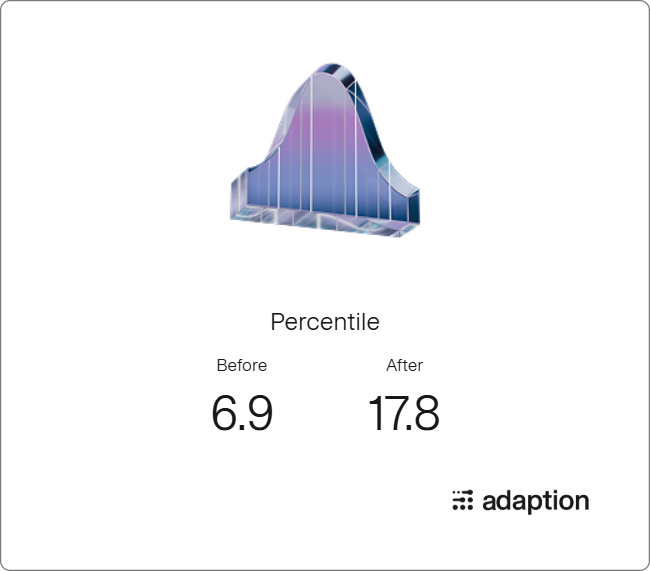
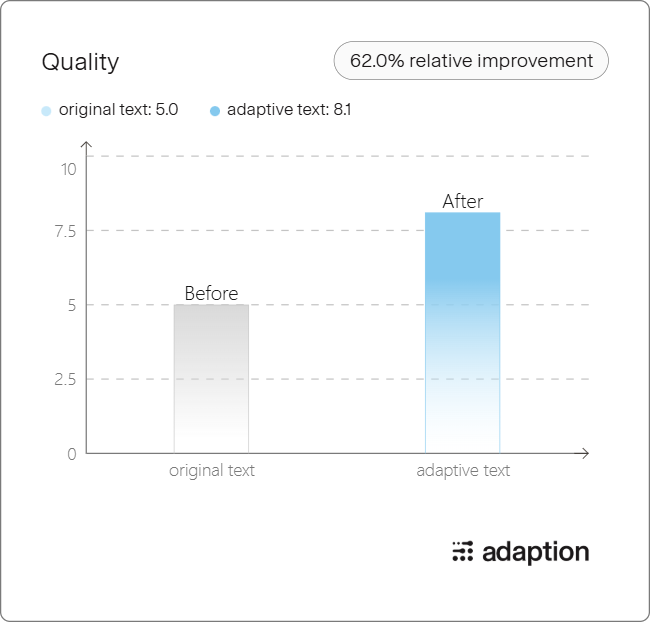
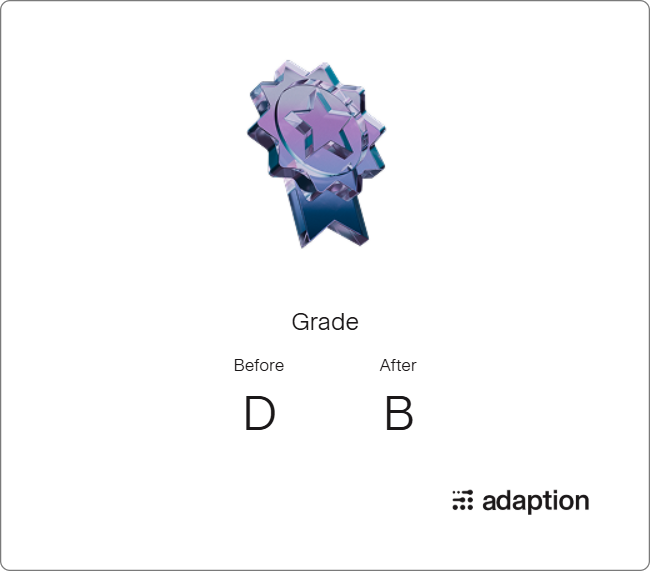
The final quality is B, with a relative quality improvement of 62.0%.
Quality Gains:
Grade Improvement:
Percentile Chart: